Madeira was a long-awaited journey and our first photography trip with the group that would soon become an important part of the experience. There were eight of us, brought together by a shared interest in travelling, photography and the constant search for good light. The trip was organised through an agency. We flew to Funchal through Frankfurt and returned through Munich. After landing, we collected a rental van and drove to São Vicente, where a rented house became our base for the following days. Our schedule was built around sunrises and sunsets, which meant early alarms, short nights and long hours on the road. Some evenings we bought food from the local Continente supermarket. On others, we returned to a small restaurant near the house, where the atmosphere was welcoming, the staff were friendly and the food was always worth the visit. Madeira quickly showed us that even the most carefully prepared photography plan depends on the weather. Along the coast, the light could change gradually, while in the mountains fog, sun, rain and strong wind replaced one another within minutes. Some locations gave us exactly what we had hoped for. At others, we waited without taking a single photograph. Both became part of the story.
The Journey Begins at Ponta da Ladeira
We barely slept on the night before departure. Our flight was early, and at 3:30 in the morning we were already travelling by taxi towards the airport. After check-in, the group quickly gathered and the journey we had been waiting for finally began.
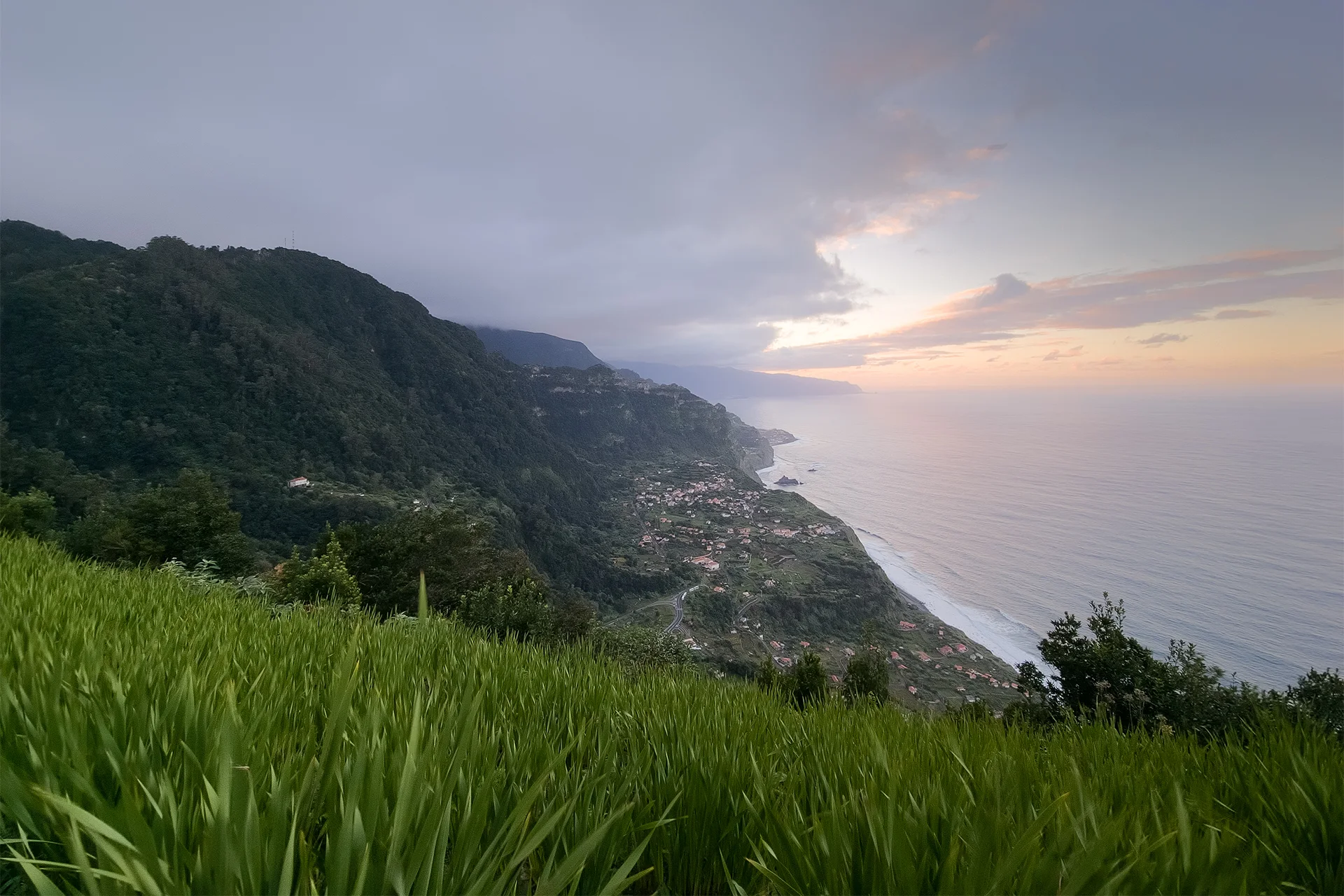
Two flights later, we landed in Funchal, collected the van and drove across the island towards São Vicente. We left our luggage at the house, prepared the photography equipment and headed straight for our first sunset at Miradouro da Ponta da Ladeira.
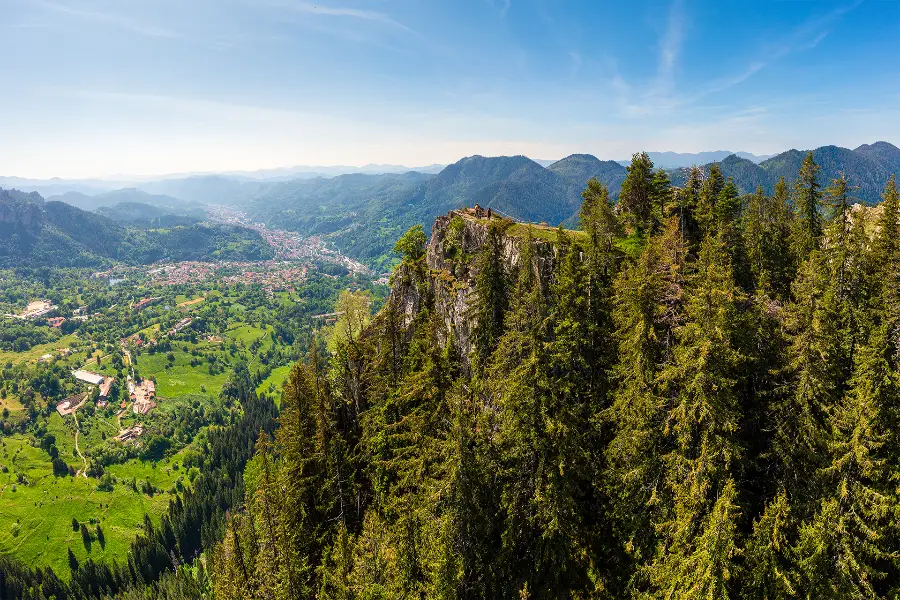
The viewpoint opened towards Madeira’s steep northern coast. Green slopes descended towards small settlements and the Atlantic Ocean, while heavy clouds covered most of the sky. Near the horizon, a narrow opening allowed the last warm light to appear above the water.
After the flights, the drive and the almost sleepless night, this was our first opportunity to slow down and look carefully at the island. The trip had begun with tiredness, but also with cameras on tripods and the first shared evening in front of the Atlantic.
Guindaste, Funchal and the Changing Light of Pico do Areeiro
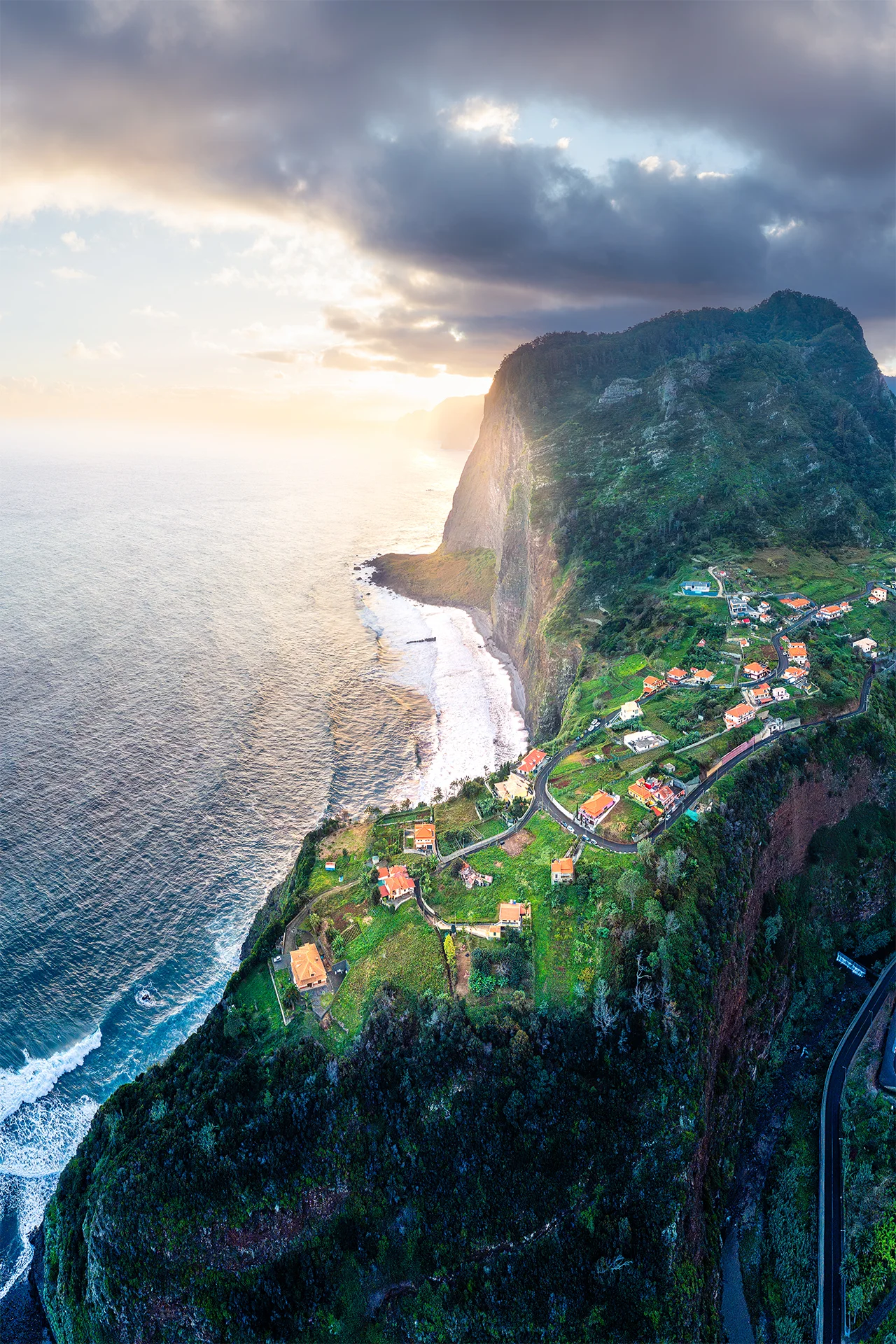
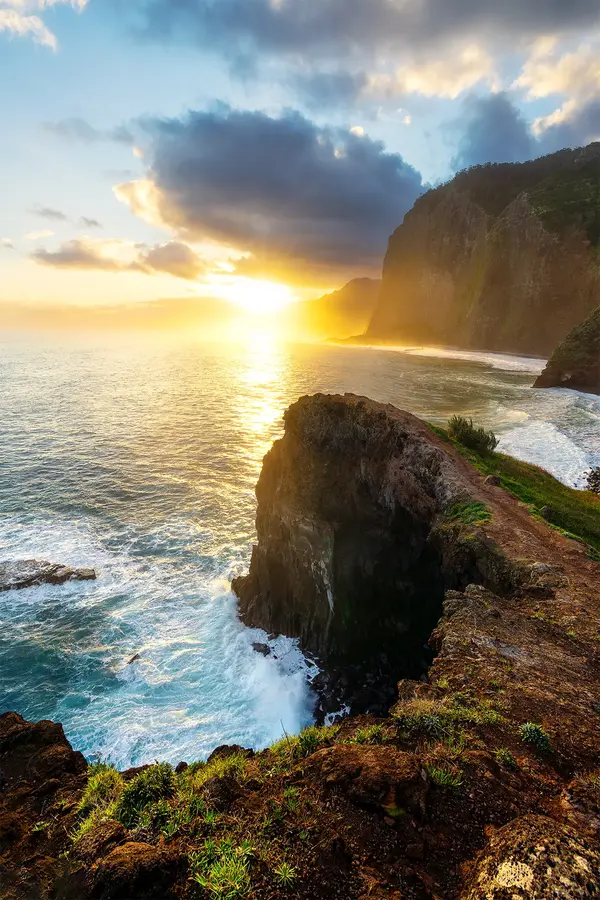
The second day began before sunrise at Miradouro do Guindaste. As the sky brightened, the cliffs and the northern coastline gradually appeared in front of us. Several people stood in the right places along the viewpoint and became natural foreground figures for the photographs. Cameras were working, drones were in the air, and the morning quickly filled our memory cards.
After a short rest and time to recharge the batteries, we travelled to Funchal. We walked through the smaller streets with painted doors, visited the local fruit and vegetable market and later chose one of the small restaurants with tables outside. It was a quieter part of the day, between two photography locations, with time for food and cold drinks before returning to the mountains.
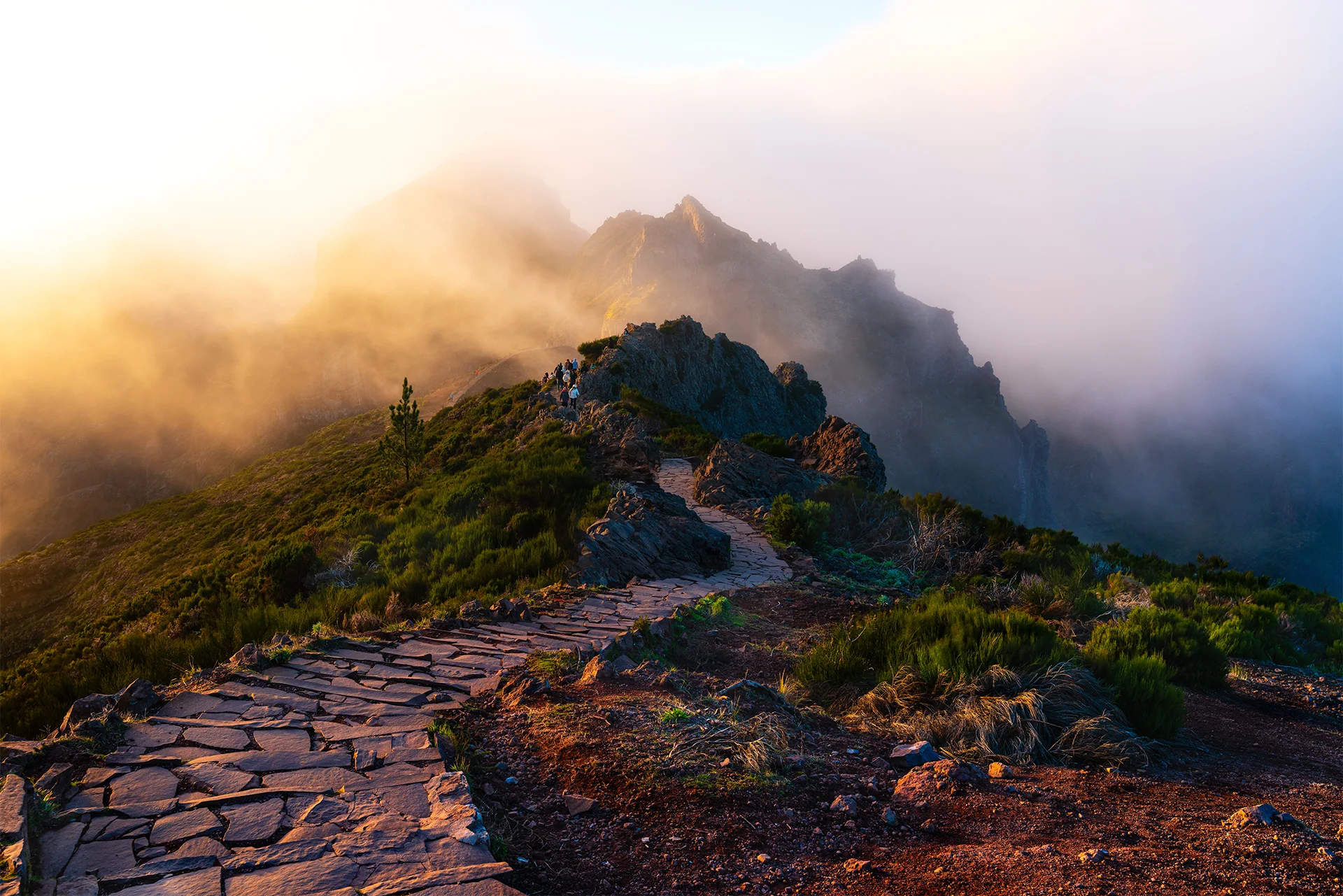
Our final destination was Pico do Areeiro. We had about an hour and a half to walk along part of the trail and choose positions for sunset. The conditions changed constantly. Fog moved across the ridges, then opened for a few moments. Sunlight reached the green and dark volcanic slopes before everything disappeared again.
For a while, the gaps in the clouds suggested that the sunset could be strong. Only minutes before it, however, dense fog covered the mountains and the wind became so powerful that it was difficult to remain steady. The landscape vanished, and the evening ended without the photograph we had expected.
It was our first clear lesson from Madeira’s mountains: promising light can disappear within seconds.
From the Eastern Cliffs to Seixal and Fanal
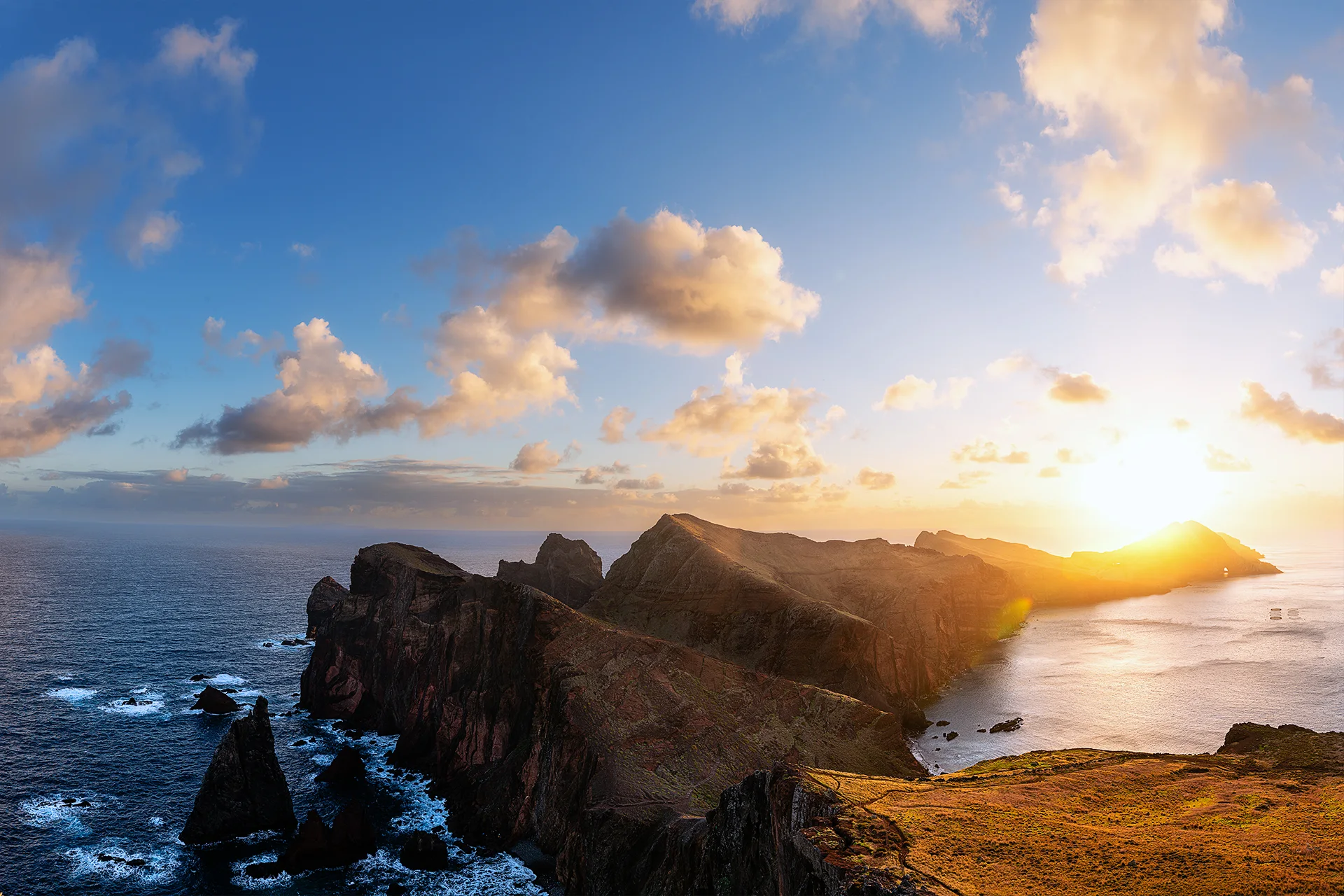
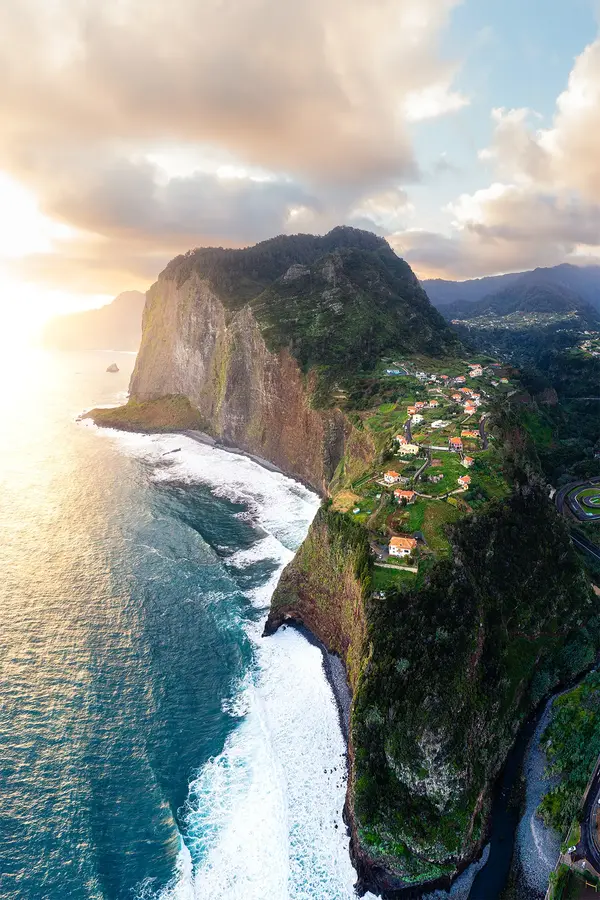
On the third morning, we climbed in darkness towards Miradouro do Abismo. When the sky began to brighten, the rugged eastern coastline gradually emerged below us. The sunrise gave us clear light across the cliffs and became one of the mornings that justified the early alarm immediately.
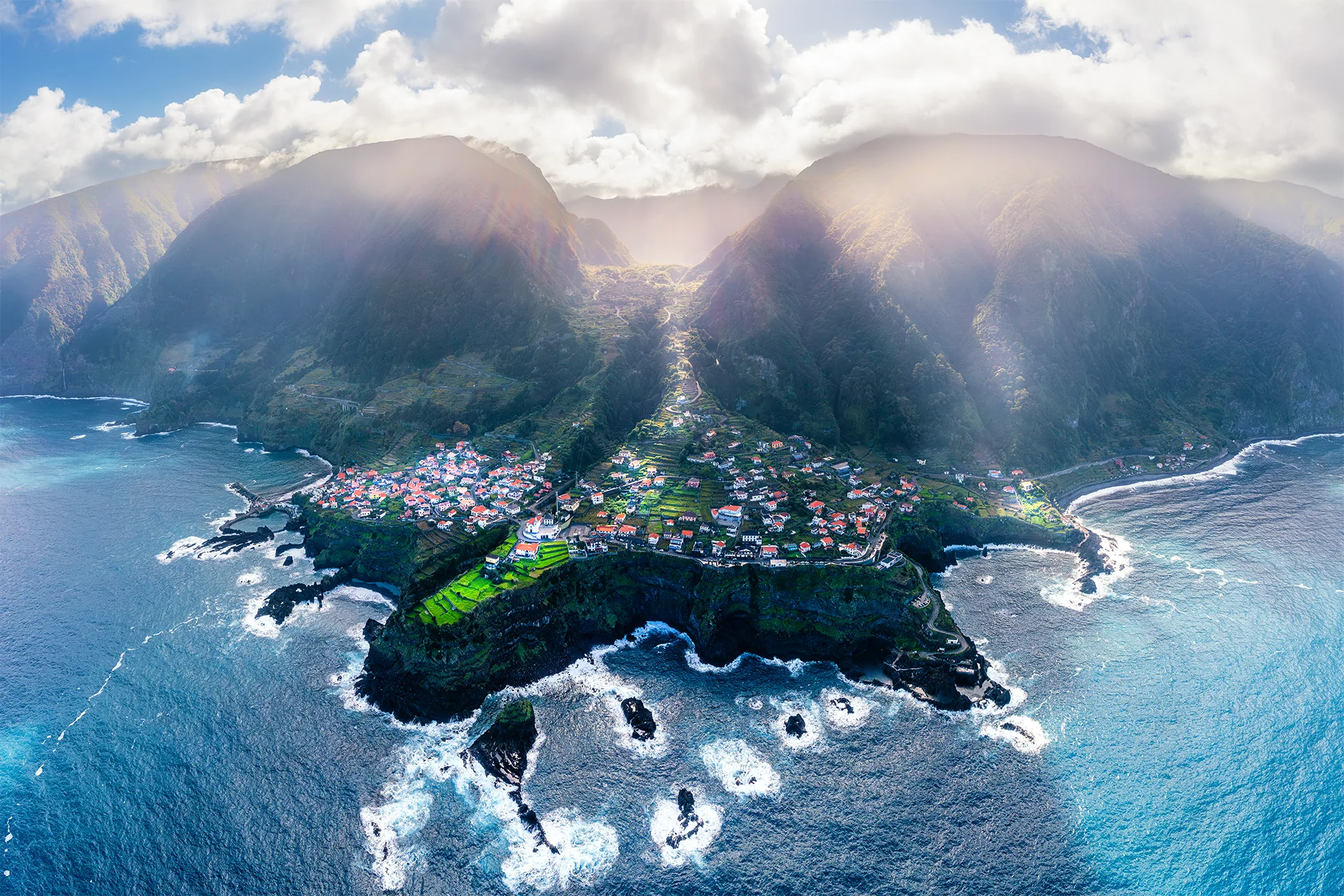
Around midday, we continued to Seixal. From the ground, the village felt enclosed by the mountains and the ocean. From the drone, the relationship between them became much clearer. Houses with red roofs occupied a narrow coastal area, while cultivated plots climbed the lower slopes and the mountains rose almost directly behind the settlement.
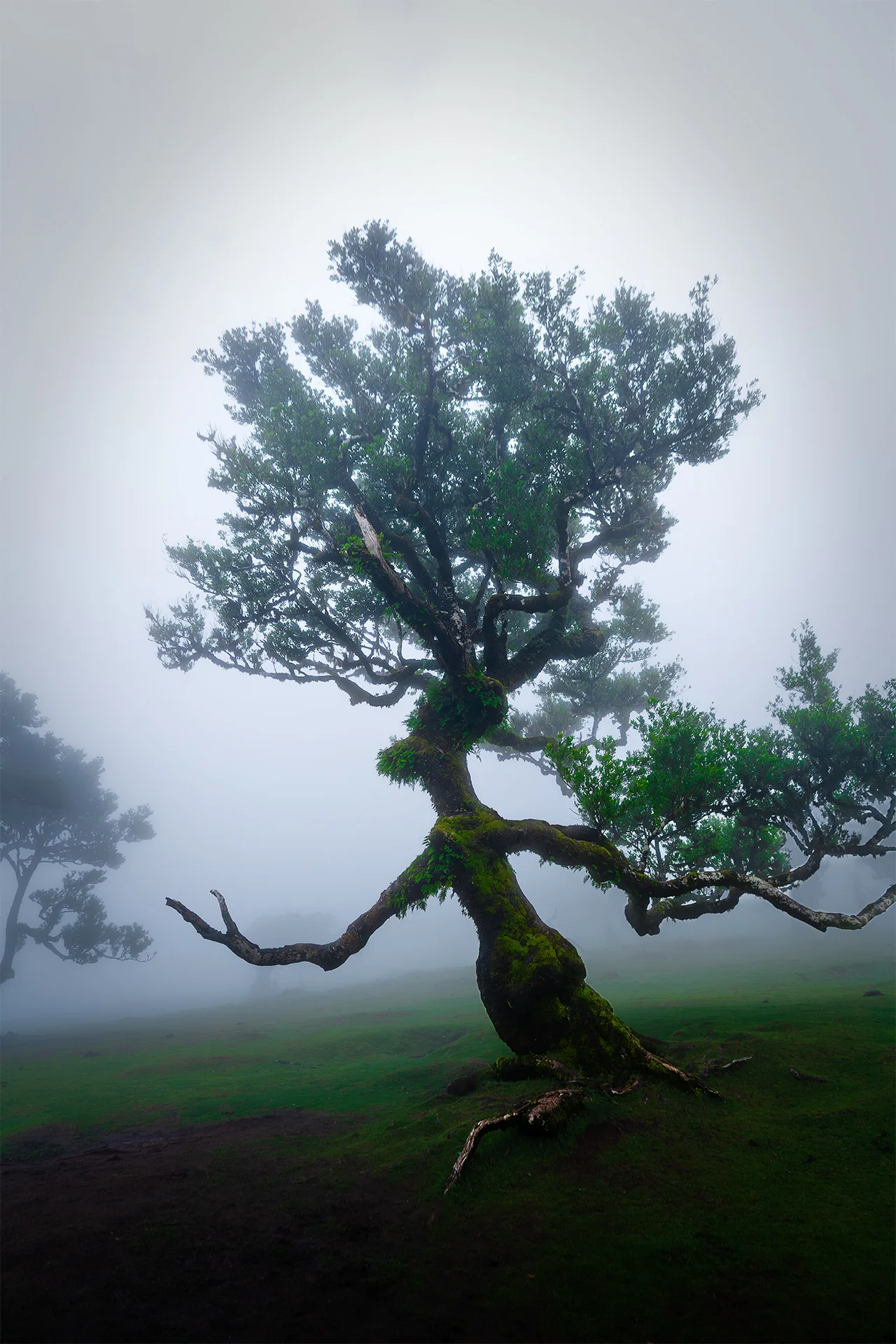
In the afternoon, we travelled to Fanal. Fog moved between the old trees, sometimes covering them completely and then allowing brief patches of light to pass through. The twisted trunks and wide branches constantly changed their appearance as visibility increased and disappeared again.
We noticed that some of the trees had already been surrounded by barriers. It was disappointing to lose part of the freedom of moving close to them, but the reason was understandable. Places that attract many visitors often need protection from the same people who come to admire them.
The conditions remained good enough for photography, and we managed to work with both the mist and the short moments of light. Among the trees we also photographed the recognisable silhouette that resembles a standing person.
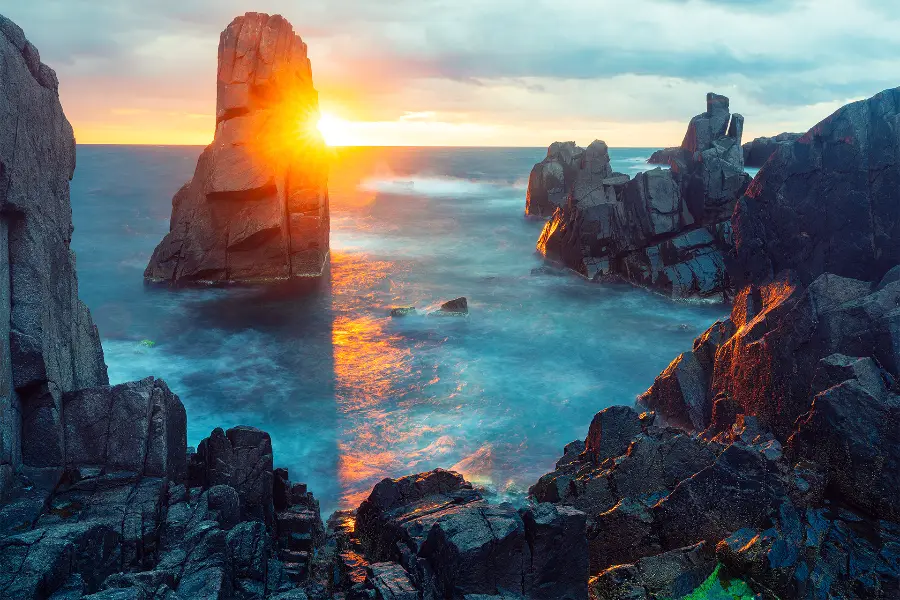
On the way back to the house, we stopped at Ribeira da Janela. The tall sea stacks rose from the dark water while the last light faded behind the coast. It was a quieter end to a day that had moved from open cliffs to villages, forest and ocean.
Ribeira da Janela, Santana and the Fog of Pico Ruivo
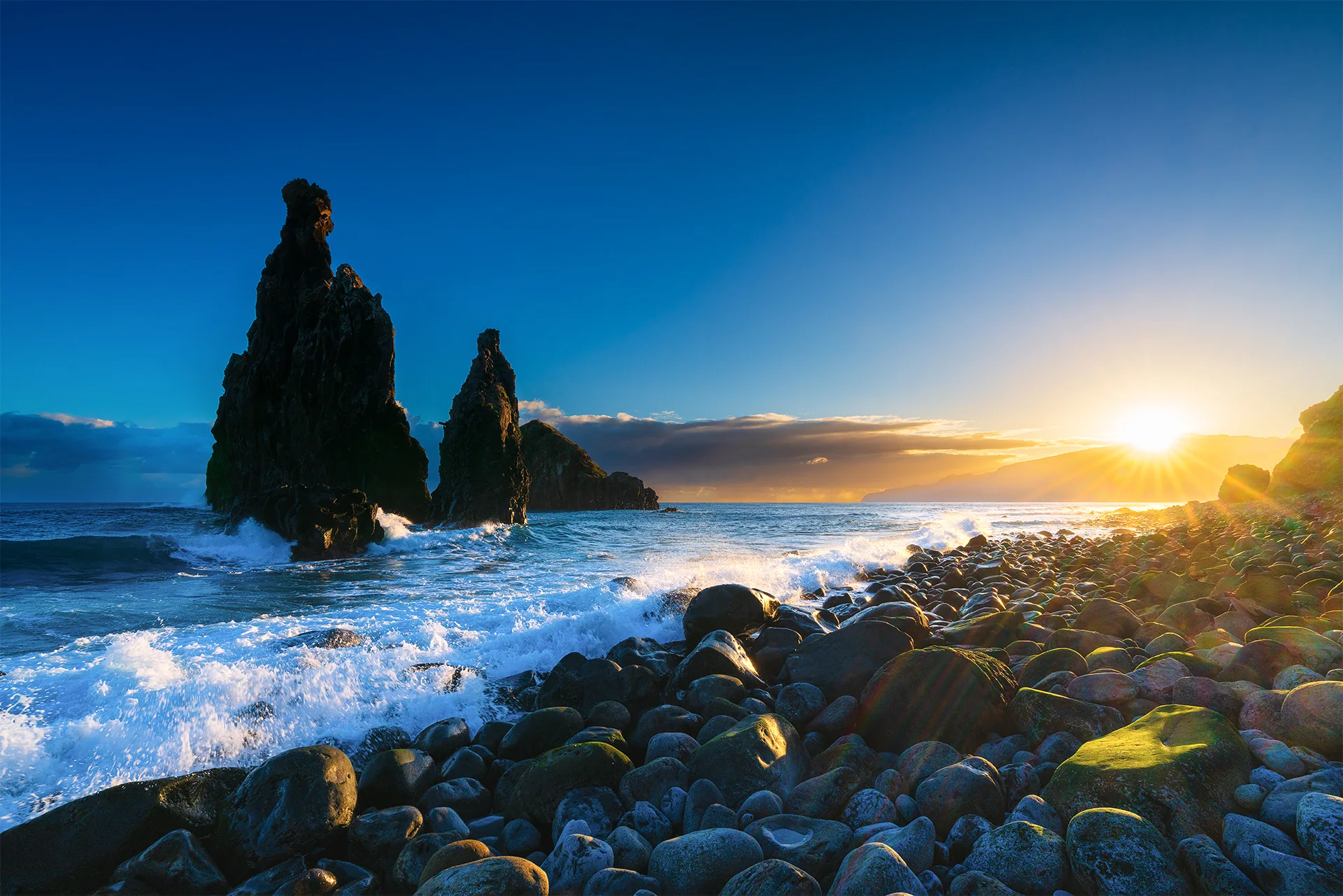
Before dawn on the fourth day, we returned to Ribeira da Janela. Only a few hours earlier, we had watched the light disappear behind the same sea stacks. Now we were waiting for it to return from the opposite direction.
The rising sun illuminated the waves and the wet stones along the shore. The sea stacks remained dark at first, then slowly caught the warm light. Although we had already photographed the location the previous evening, the morning conditions created a completely different scene.
After a short rest at the house, we travelled to Santana for a walk and lunch. The town is known for its colourful traditional houses. Part of the group continued to explore nearby forest paths, while the rest of us visited Parque Temático da Madeira, ate and waited for them to return.
The main challenge of the day was Pico Ruivo. A long walk awaited us, and the exposed sections of the trail were not easy for everyone. Even those who were uncomfortable with heights continued and reached the destination.
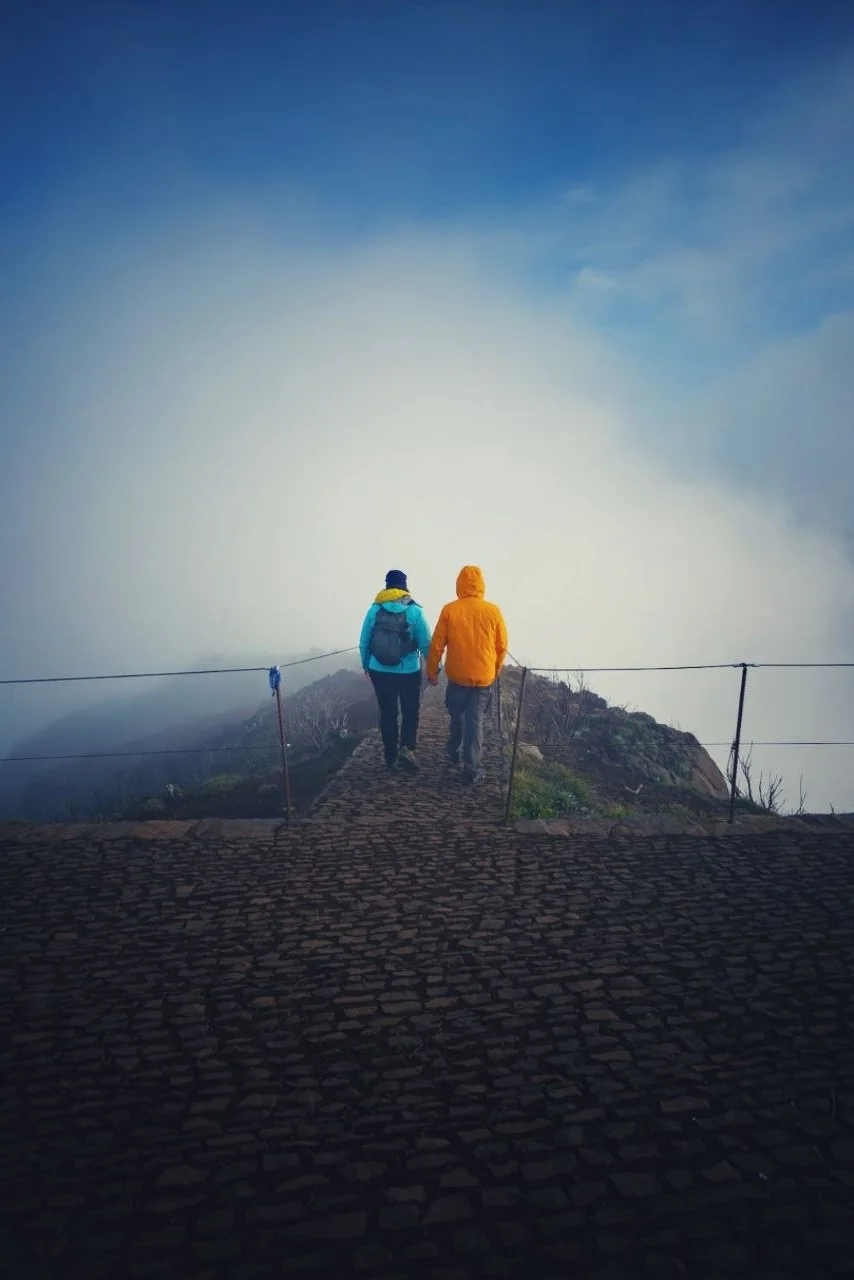
At the top, however, there was no panoramic view. The mountains were hidden in dense fog.
We took a few photographs and began walking back, looking for smaller scenes along the trail. Without the wide landscape, our attention moved towards the path, the people disappearing into the mist and the strange weathered trees growing beside the route.
The view we had climbed for never appeared, but the fog gave the mountain a different visual character and became the main subject of the evening.
Sunrise at Ponta do Rosto and Another Attempt in the Mountains
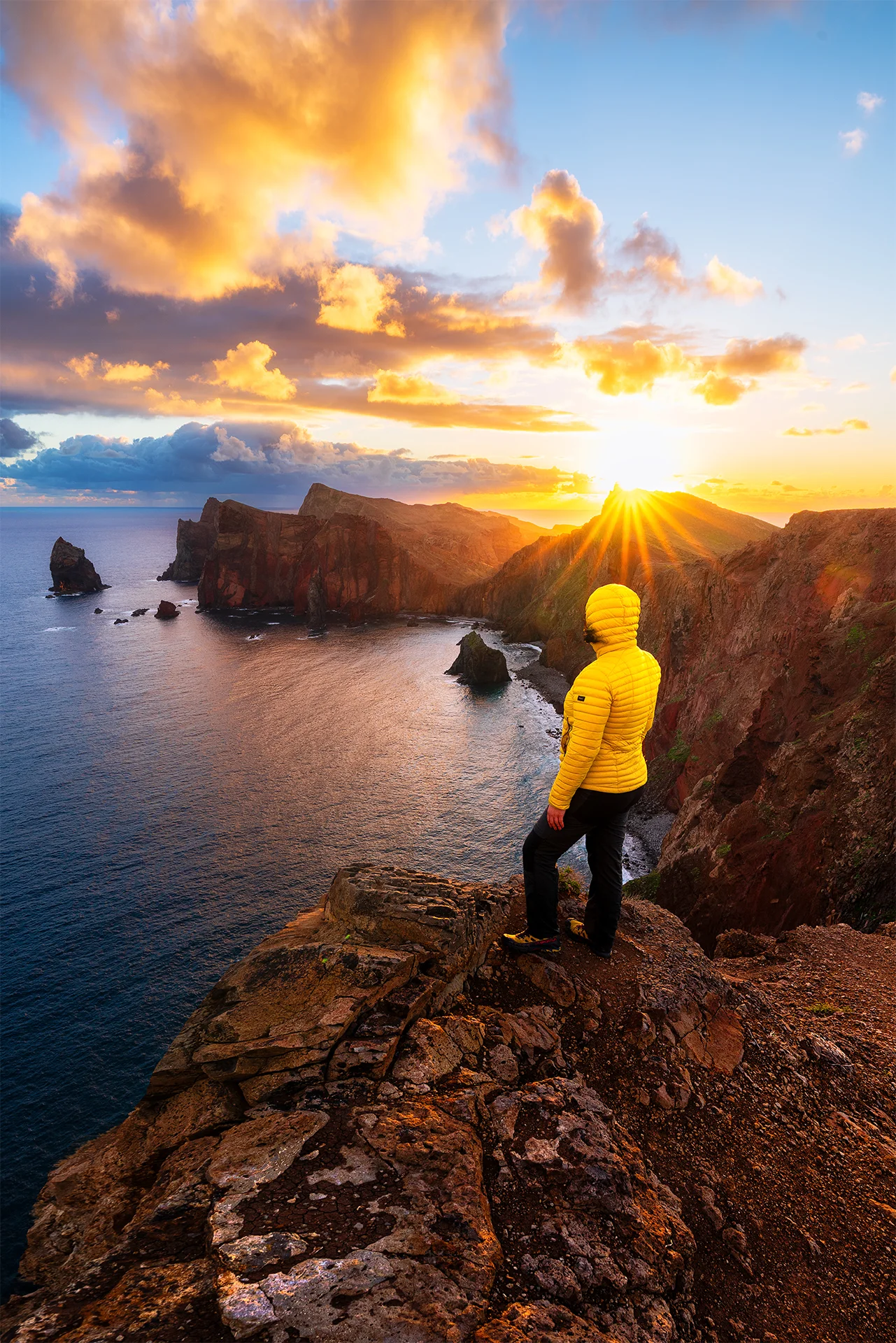
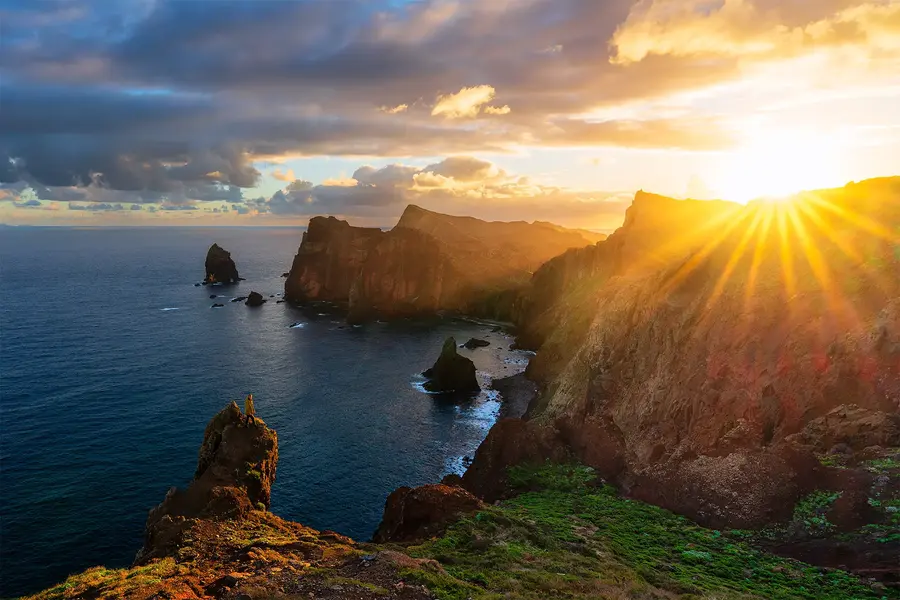
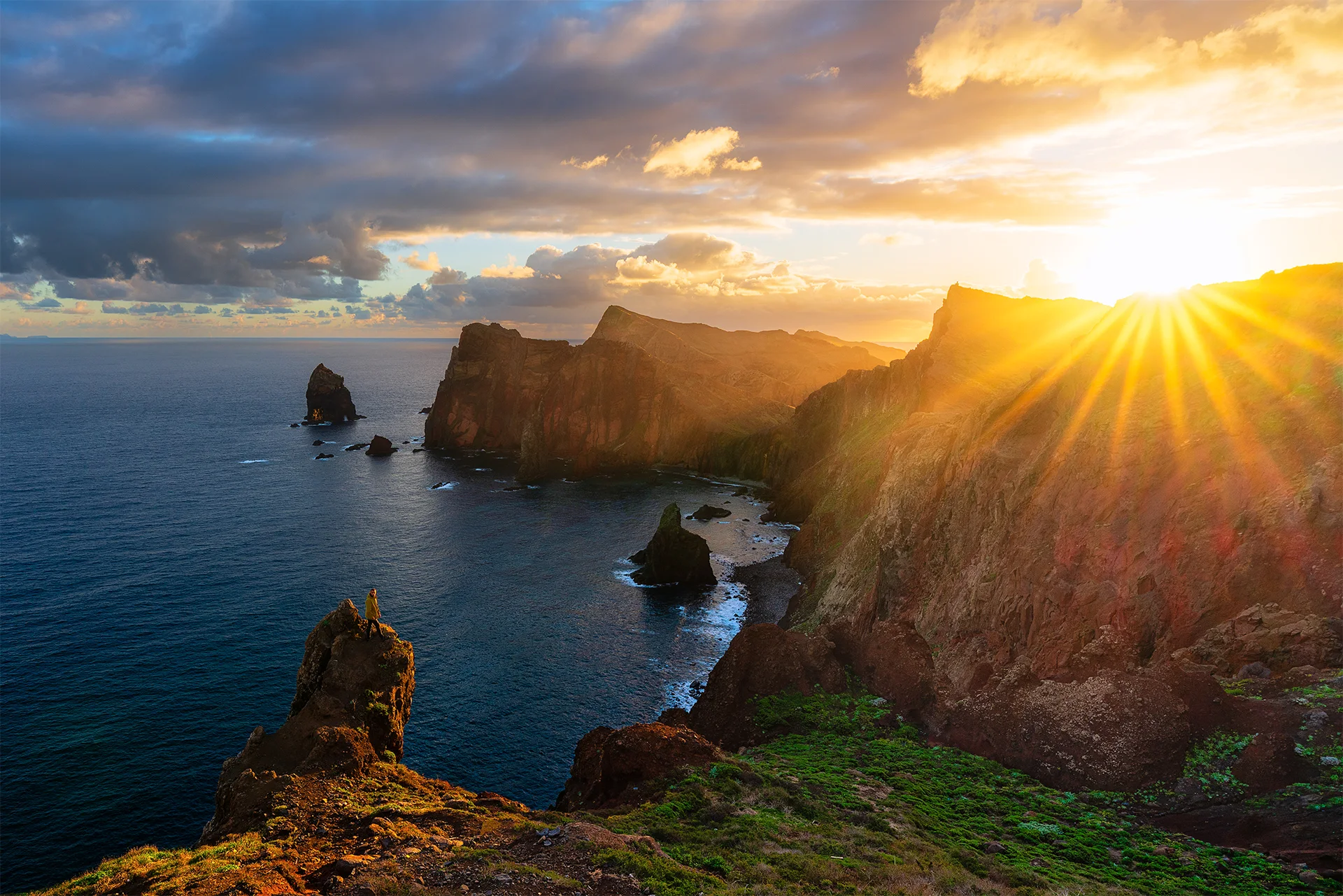
Early on the fifth morning, we travelled to Miradouro da Ponta do Rosto. The viewpoint looked across the dry volcanic ridges of the São Lourenço Peninsula, a landscape very different from the green northern parts of Madeira.
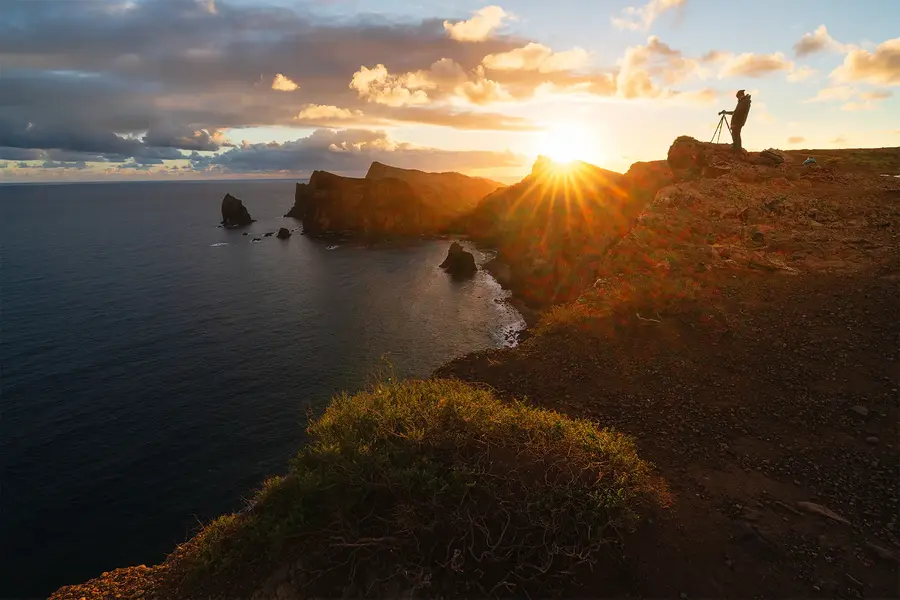
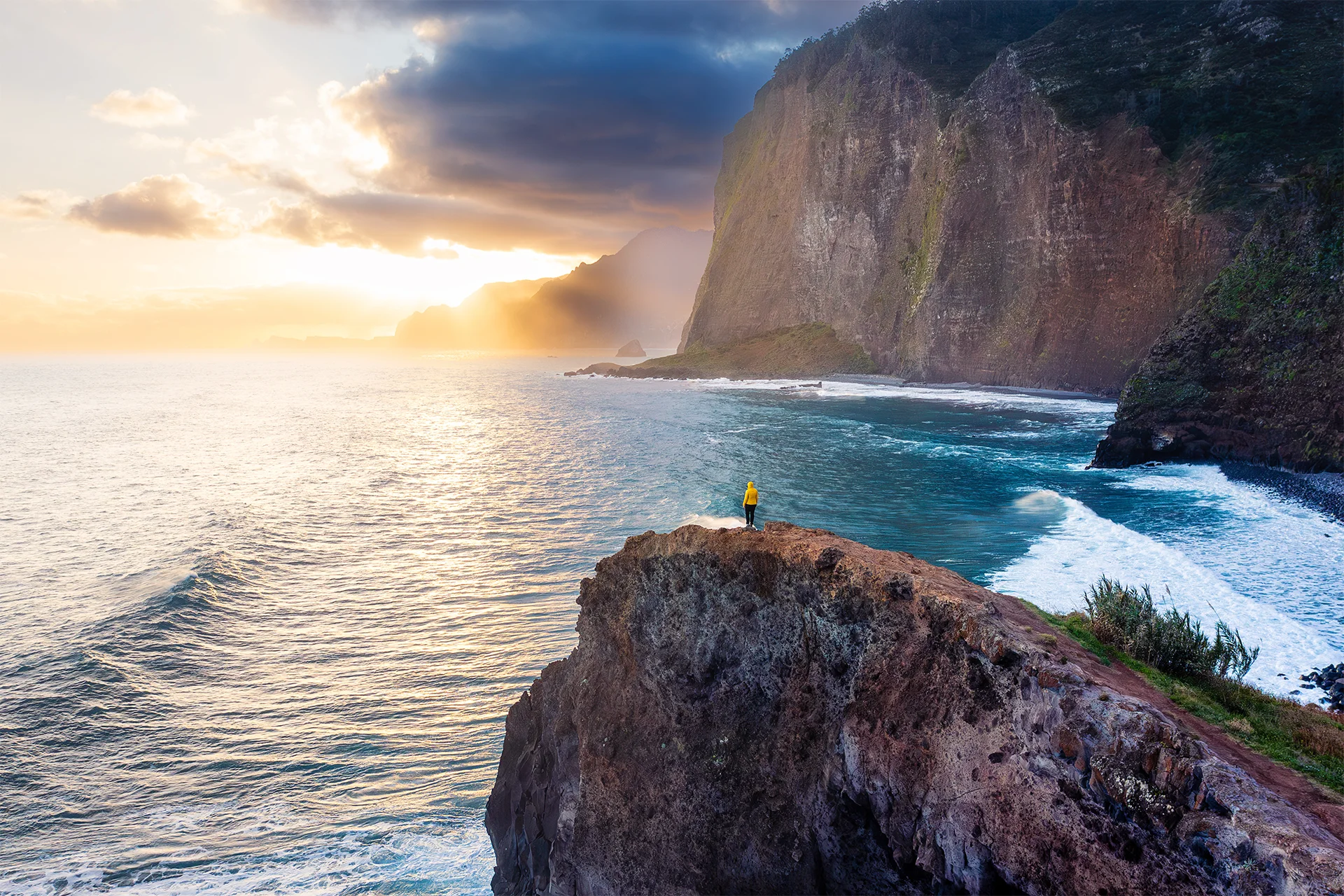
This time, the sky gave us the light we had hoped for. The rising sun appeared behind the cliffs, illuminating the clouds and sending long rays across the dark rock. One of the people from our group stood on a rocky outcrop above the ocean and became a small figure within the much larger landscape.
After the successful morning, we visited the Madeira Botanical Garden in Funchal. It was a place where we could easily have spent much longer, but rain shortened the walk. We still managed to explore part of the garden before returning to the van.
Later, the decision was made to try Pico do Areeiro again for sunset. From the moment we arrived, the mountain was covered in fog and rain. There was little indication that the conditions would improve, but we remained in the van for almost an hour before finally leaving.
It felt like wasted time, especially after the strong sunrise. The contrast between the two locations summed up much of the trip: sometimes the light rewards every effort, and sometimes the only reasonable decision is to pack the equipment away.
Rain on the Western Coast and One Final Sunrise
The sixth day began with dark weather and rain. Part of the group stayed at the house to rest, while the rest of us returned once more to Ribeira da Janela in search of a different morning.
The location was already familiar, but the conditions had changed again. The sky was heavier, the water looked darker and the coast felt more severe than during the previous sunrise. Returning to the same place did not mean repeating the same photograph.
Later, we stopped at a beach and ate ice cream before continuing towards Miradouro do Farol da Ponta do Pargo. We spent a long time there photographing the western coastline and flying the drone.
The last location of the day was Miradouro da Boa Morte. We arrived late and had to run towards the viewpoint, hoping to catch the remaining light. We were too late for the sunset. After a quick group photograph and a few disappointed expressions, we started running back towards the van as the rain returned.
On the final morning, our bags were already packed. Before heading for the airport, we travelled once more to Miradouro da Ponta do Rosto. The sky did not disappoint us. Warm light reached the volcanic cliffs and gave us one final opportunity to photograph the eastern coast.
Looking back, the trip was not defined only by the successful sunrises and the photographs we brought home. It was also shaped by the fog that hid the mountains, the hours spent waiting, the hurried runs with tripods, the shared meals and the long conversations in the van.
Most importantly, eight people who had started the journey as a photography group returned as friends. The photographs remain connected not only to the landscapes of Madeira, but also to the people standing beside us when they were taken.
Photography, Weather and Flexibility
Madeira taught us to work with the conditions rather than against them. Along the coast, the light could change slowly, while in the mountains fog, rain, sun and strong wind replaced one another within minutes. A view that seemed promising on arrival could disappear before the tripods were ready.
Returning to the same location did not necessarily mean repeating the same photograph. Ribeira da Janela looked different at sunset, at sunrise and beneath dark rain clouds. At Pico do Areeiro and Pico Ruivo, the missing panoramic views made us pay more attention to the trails, the moving mist and the smaller details around us.
Some of the strongest photographs appeared when the original plan failed and we had to respond to what was actually happening in front of us. Other times, there was nothing to do but wait, pack the equipment away or continue towards the next place.
Travelling as a group of eight also required patience and coordination. Every stop involved people, cameras, drones, batteries and limited time, but the shared enthusiasm made the early mornings and unsuccessful attempts easier. Madeira left us with more than a collection of landscapes. It taught us when to wait, when to move on and how much of landscape photography depends on accepting what the weather decides to reveal.